Table Of Content
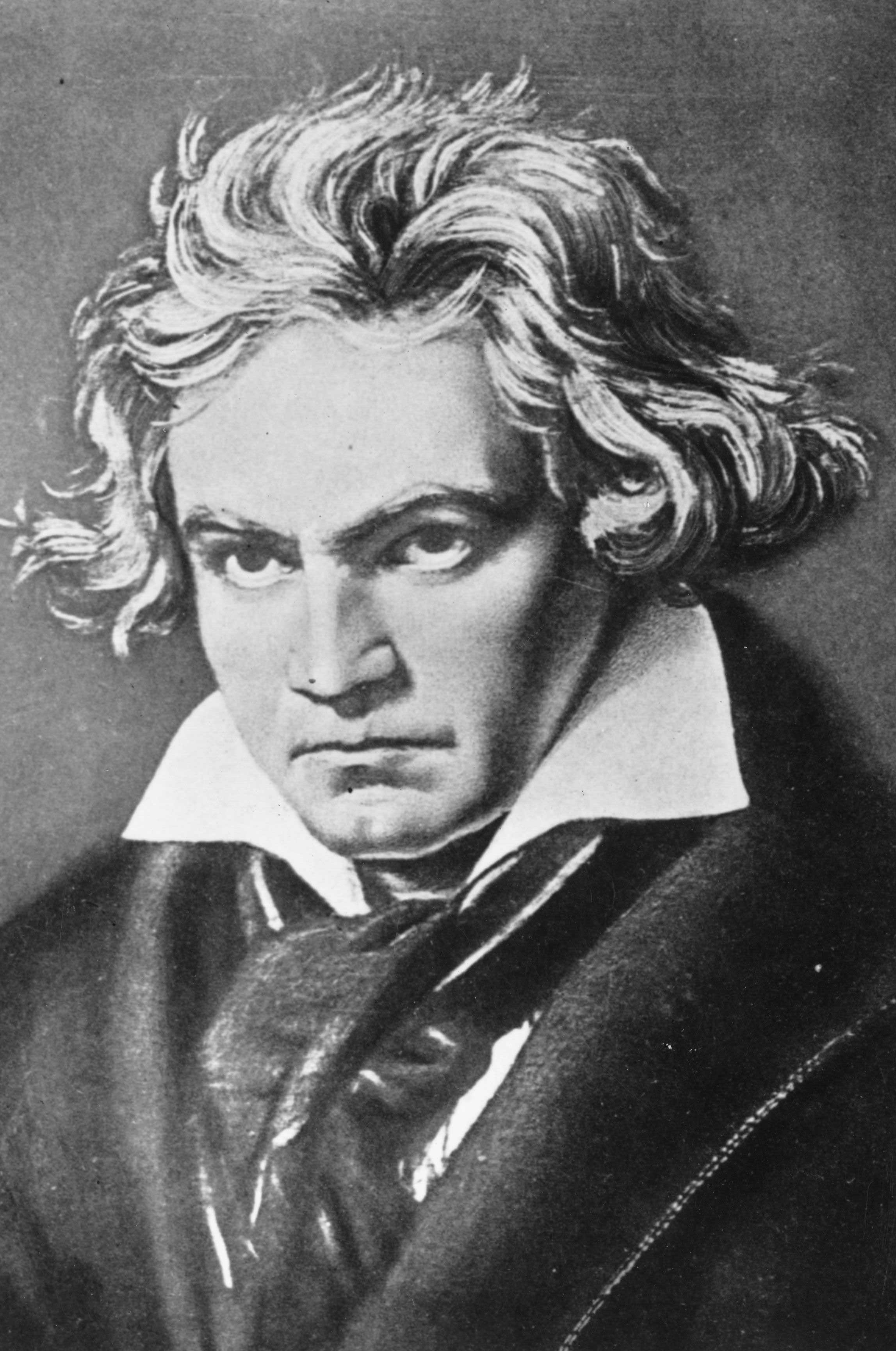
The second period, between 1801 and 1814, is marked by an increased use of improvisatory material. The third period, between 1814 and 1827, featured a wide range of musical harmonies and textures. He composed many of his most famous pieces—including the Eroica Symphony (1805), Symphony No. 5 in C Minor (1808), Symphony No. 6 in F Major (1808), and Symphony No. 7 in A Major (1813)—during that time. Moreover, phylogenetic analysis showed that the HBV genome retrieved from the Stumpff Lock originated from a distinct subgenotype D2, one of the most ubiquitous HBV variants in Europe today since the Middle Ages. Indeed, Beethoven had an authentic HBV infection, possibly traversing during the summer to winter of 1826 or earlier. However, the researchers could not determine with certainty how or when Beethoven got infected with HBV.
DNA From Beethoven's Hair Unlocks Family Secret - The Wall Street Journal
DNA From Beethoven's Hair Unlocks Family Secret.
Posted: Thu, 23 Mar 2023 07:00:00 GMT [source]
On supporting science journalism
His music changed the world, and nearly 200 years after his death, new technology unlocks new secrets about the life and death of Ludwig Van Beethoven. An essential round-up of science news, opinion and analysis, delivered to your inbox every weekday. In the autumn of 1802, some 25 years before his death, Ludwig van Beethoven wrote a letter to his brothers. The famous composer, distraught about his encroaching loss of hearing, implored them to seek out his physician after his death and “beg him in my name to describe my malady”. But eventually, after using up almost 10 feet (3 meters) of Beethoven’s hair, they were able to piece together a genome that they could “quiz” for signs of genetic disease, Krause said. To decode Beethoven's genome, the researchers needed larger amounts of hair.

A Lock of Beethoven’s Hair Holds Clues to His Musical Genius
When asked he simply pointed to a piece of paper that read, "Duty, honor, country." While the rest of the park had been overtaken by crazed orators and cruisers, this walkway was nicknamed "King's Row," for the old pensioners who spent their days peacefully playing chess on old oil cloths. In 1957, the statue narrowly avoided destruction when three youths in a stolen car participated in that already established L.A. Pastime -- the LAPD car chase -- and careened into the park, leveling nearby trees.
Unlocking the code to Beethoven's life through his hair
Previous attempts to extract genetic material from the composer’s hair or skull fragments had failed. But advances made over the past two decades in methods for sequencing DNA from centuries-old, degraded samples enabled the latest study. The researchers could not find a molecular genetic cause for Beethoven's hearing loss or gastrointestinal complaints. However, the combined risk conferred by his alcohol consumption and genetic predisposition constituted a probable causal elucidation for his liver disease. Also, Beethoven had a hepatitis B virus (HBV) infection at least during the last few weeks before his death.

Getting genes out was a challenge, since DNA in hair gets chopped up into tiny fragments, explained author Johannes Krause, a paleogeneticist at Germany’s Max Planck Institute for Evolutionary Anthropology. So in Los Angeles' funny, often gritty, and round-about way, the Beethoven statue has served its purpose. Once more they were perching and pooping all over Beethoven, causing the jokes to start all over again, and sparking controversy over just what to do with these omnipresent fowl.
What killed Beethoven? DNA from hair provides clues - Science
What killed Beethoven? DNA from hair provides clues.
Posted: Thu, 23 Mar 2023 07:00:00 GMT [source]
Of these, five yielded DNA from the same male individual, with degrees of damage consistent with origins in the early 19th century. These have to be painstakingly pieced together, using specialised computer software, to construct as much of a complete genome sequence as possible. In Beethoven’s day, it was common to collect locks from famous people or loved ones.
STAY UPDATED WITH OUR NEWS
While we don’t know exactly what combination of factors killed Beethoven, “this is a fascinating detective story,” says Ian Gilmore, a hepatologist at the Royal Liverpool University Hospital in England, who was not involved with the research. “I think they provide compelling evidence of five samples being from the composer,” he says. Given the team was inspired by Beethoven's desire for the world to understand his hearing loss, it's an unfortunate outcome. The paper, by an international group of researchers, was published Wednesday in the journal Current Biology.
Beethoven's cause of death revealed through DNA analysis of his hair
Despite its widespread popularity today, Für Elise remained unpublished during Beethoven’s lifetime. It was only discovered and published posthumously by Ludwig Nohl in 1867, nearly five decades after the composer’s death. Nohl allegedly found the piece in the hands of a piano teacher in Munich, Germany. Since then, Für Elise has become one of Beethoven’s most beloved compositions, cherished by pianists and music enthusiasts worldwide for its timeless appeal and enduring charm. Beethoven was the eldest surviving child of Johann and Maria Magdalena van Beethoven.
And it may be a difficult one to figure out because genetics can show us only half of the “nature and nurture” equation that makes up our health. These factors, along with his chronic drinking, were probably enough to cause the liver failure that is widely believed to have killed him at the age of 56, according to a study published Wednesday in the journal Current Biology. The researchers had eight such locks at their disposal, five of which showed matching DNA.
Johannes Vermeer, Wolfgang Amadeus Mozart, Jane Austen, Franz Schubert and Emily Brontë are some famous examples. Dr. William Meredith, Emeritus Director of the Beethoven Center at SJSU, says the composer died of cirrhosis and suffered from hepatitis B. The center contains something more intriguing than his well-known compositions -- a new genomic analysis of a strand of Beethoven's hair. But, just maybe, that genius came from his creativity rather than any innate sense of musicality.
Some citizens, ignorant of the nature of bronze, demanded that the broad brimmed hat that Beethoven held in his hand (which style watchers noted had become fashionable with modern men in 1940) should be transferred to his head. The city tried to remedy this situation by having him cleaned thoroughly, but it was reported that as two sour parksmen scrubbed him, the pigeons perched nearby, and once the men left, instantly reclaimed and remarked their territory. This was, in many ways, a defining moment for those who fancied themselves the cultural elite of this Wild West city, which had not even had a statue until the Spanish American memorial was erected in 1900. It was also a celebration of the fact that, although the depression was devastating the country, Los Angeles was one of the few cities that had managed to maintain its annual music season. Orra E. Monnete, founder of Bank of America and Phil patron, speechified that the statue was a reminder that in hard times it was important to remember the finer, sweeter qualities of life. Perhaps this is fitting, that the largest park in downtown Los Angeles finds itself vibrating from below with the very cars that define the city the world over.
But the team did identify several risk factors for liver disease, including a variant of the gene PNPLA3 that would have tripled the composer’s risk of developing liver issues in his lifetime. Beethoven died in 1827, with liver disease serving as a leading factor in his demise. In a new study led by Cambridge University and published in Current Biology, a team of researchers sequenced Beethoven's genome via locks of his hair to understand his health problems. On March 26, 1827, he succumbed to what many historians suspect was liver failure while in his apartment in Vienna. Now, an analysis of several locks of hair passed down through families and gathered by collectors shows that Beethoven carried several genetic risk factors for liver disease, the scientists report March 22 in Current Biology. The genomic sequencing data of the present study uncovered several significant aspects of Ludwig van Beethovens' genealogy and health using his authentic hair locks, including profound inherited risk for liver disease and an acquired HBV infection.


No comments:
Post a Comment